 跨境独立站开店
Trends in B2B E-commerce and Market Size
This article introduces the latest trends and market size of B2B e-commerce. Understand the latest market and marketing trends to help your B2B strategy.




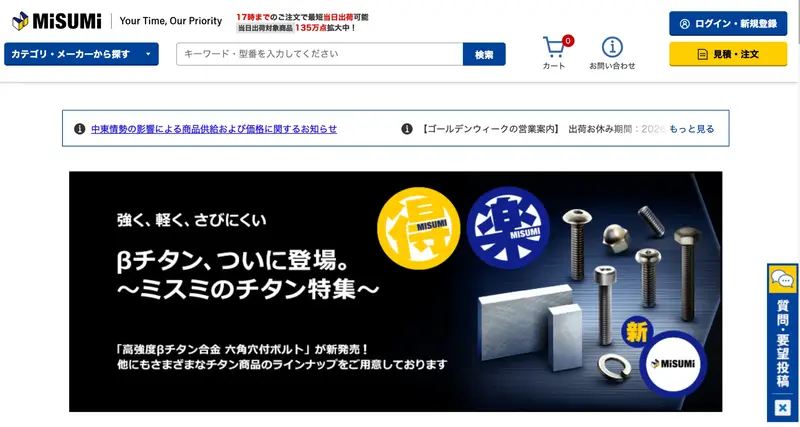

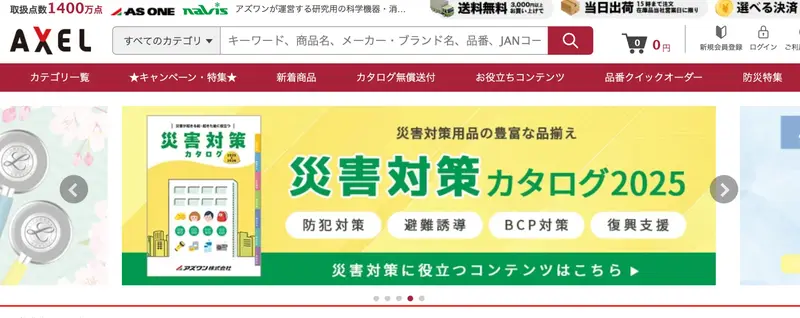
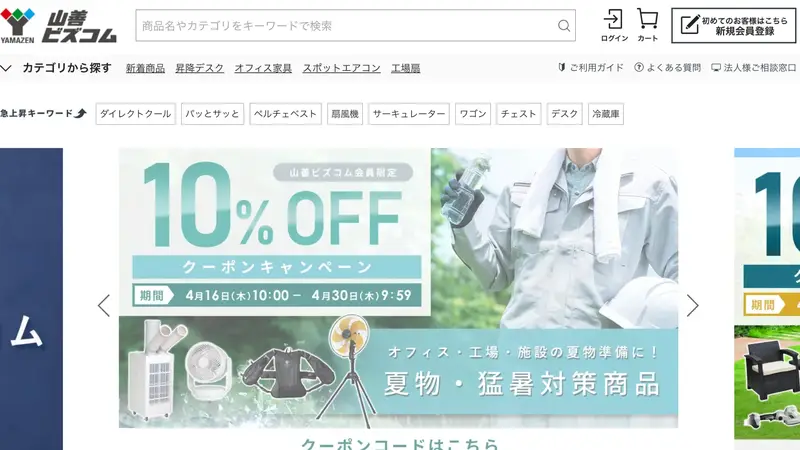
B2B E-commerce Market Size and Growth Trends (2026)
According to a survey by the Ministry of Economy, Trade and Industry, the domestic B2B e-commerce market size is projected to increase to 514.4 trillion yen in 2024, a 10.6% increase from the previous year. This is nearly 20 times larger than the B2C e-commerce market of 26.1 trillion yen in the same year (a 5.1% increase from the previous year), and also surpasses it in terms of growth rate.
The background behind the expansion of B2B e-commerce
The expansion of B2B e-commerce is driven by the growing need for increased operational efficiency in business-to-business transactions. Traditional B2B transactions relied heavily on analog processes such as ordering, receiving, and quoting via telephone, fax, and email. This presented challenges such as errors in manual data entry and the time-consuming verification process. Given the labor shortages faced by many companies, there is a need to move away from a situation where sales and order processing staff handle these tasks individually.
1. Expansion of self-service purchasing without involving a salesperson.
In B2B transactions, there is a growing need for "self-service purchasing," where customers select and order products themselves without going through a sales representative. In recent years, as more people who are accustomed to consumer-facing e-commerce take on purchasing responsibilities at companies, there is a growing trend towards wanting to "research the necessary information themselves and purchase it online."
2. Advanced AI-driven personalization
In B2B transactions, transaction terms often differ from one client company to another. For example, prices and sales lots may vary depending on the transaction volume, and it may be necessary to align with the delivery date requested by the customer. In addition, products may be customized to meet specific requirements, and these adjustments have traditionally been handled by sales and marketing personnel.



