 跨境独立站开店
A Complete Guide to Success in the B2B Beauty Industry Wholesale Business
Looking at the global beauty market, consumers spend $450 billion (approximately 70.65 trillion yen) annually on consumer goods. However, retailers who serve these consumers need to source their inventory from somewhere. This is where business-to-business (B2B) beauty brands come in.

What is commerce in the B2B beauty industry?
B2B beauty refers to a business model where products are sold directly to other companies, rather than to end consumers. These sales can take place through a brand's online storefront, B2B marketplaces, or in person at trade shows and beauty conferences.
Traditional wholesale model
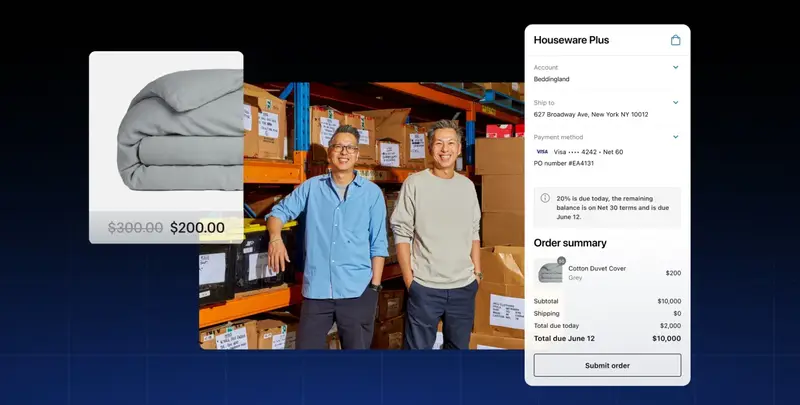
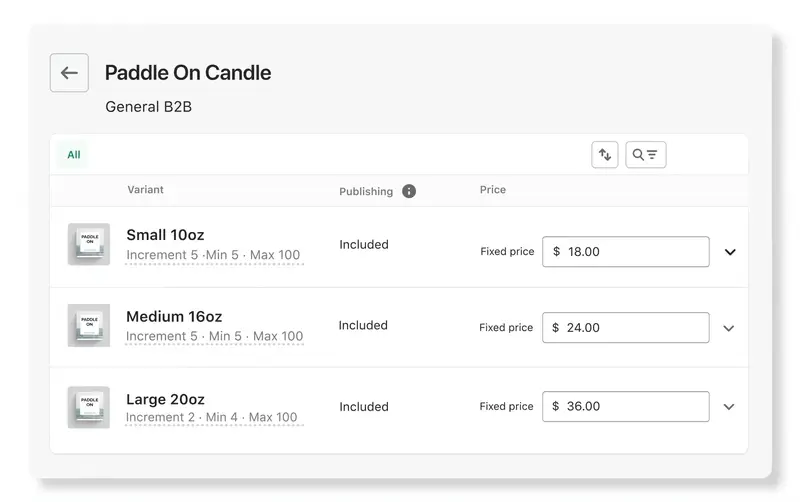
The wholesale e-commerce model is a typical approach to selling beauty products in a B2B manner. Manufacturers sell cosmetics in bulk at discounted prices to other retailers. Each manufacturer adds a markup and profits from the resale.
Professional direct sales model
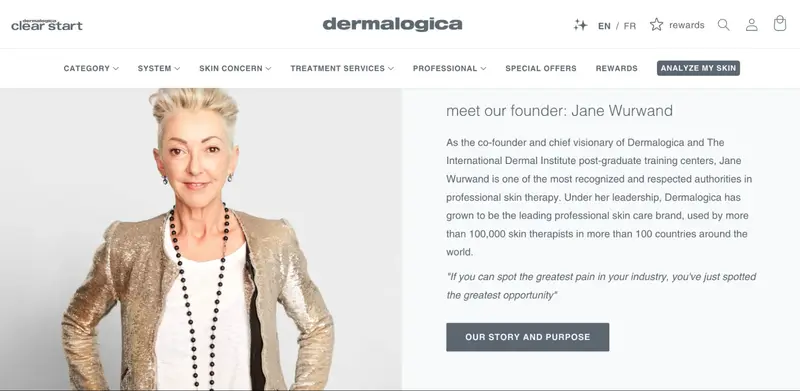
Have you ever noticed a shelf of products recommended by a stylist when visiting a salon? This is an example of a professional direct-to-consumer (D2B) model. It occurs when B2B beauty brands partner with industry professionals (hairdressers, makeup artists, estheticians, etc.) who use the products and then resell them to their customers.
Hybrid B2B/DTC model
The hybrid B2B and DTC model serves both wholesale and retail customers. By integrating both sales channels and leveraging two markets, you can reap the benefits of each while mitigating the risks of sticking to just one.



