This article explains how to incorporate sustainable practices into your business. Learn about practical methods and case studies to aim for environmentally friendly businesses that are mindful of sustainability.
This article explains the ROI (Return on Investment) of influencer marketing. Learn about key metrics and influencing factors to effectively utilize influencers in your marketing efforts.
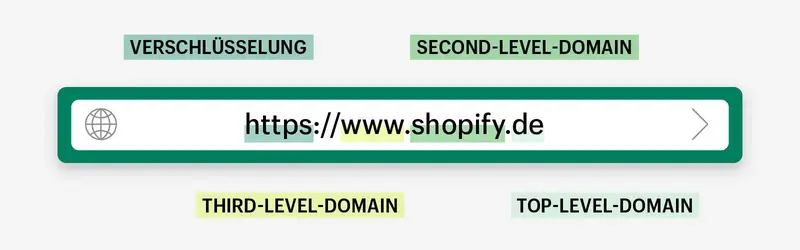
We've compiled 11 easy-to-understand steps for beginners on how to choose a domain name without making mistakes, covering everything from the basics to important points to keep in mind.
This article explains the basic mechanisms and main types of rich results, the steps to display them, and how to verify them using Google's rich results test.
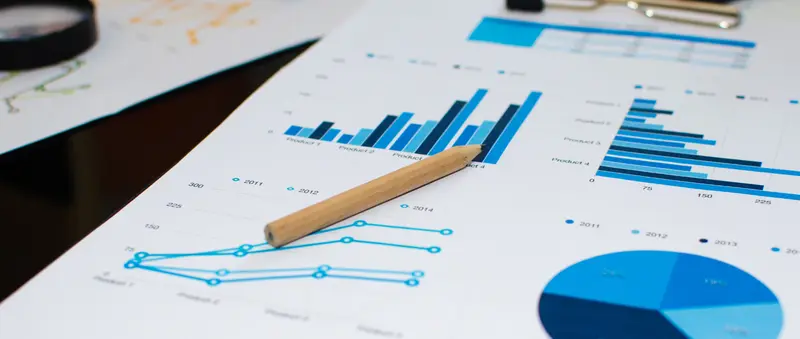
This article explains the meaning of RFM analysis and how to use it on e-commerce sites. Use it to identify valuable customers and implement targeted marketing strategies.
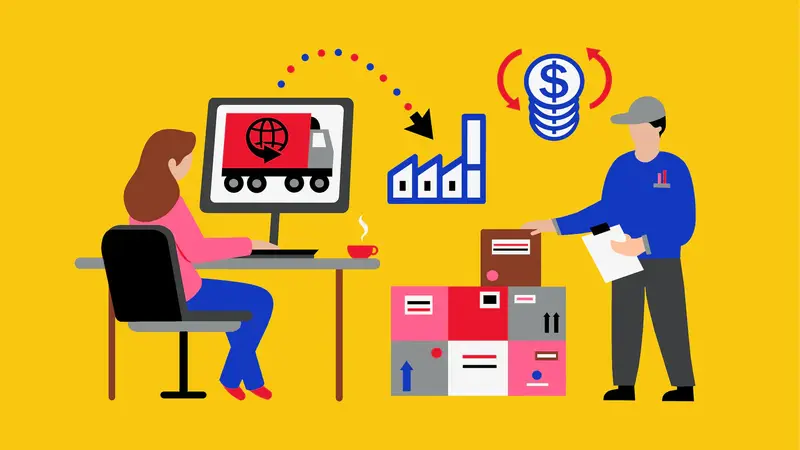
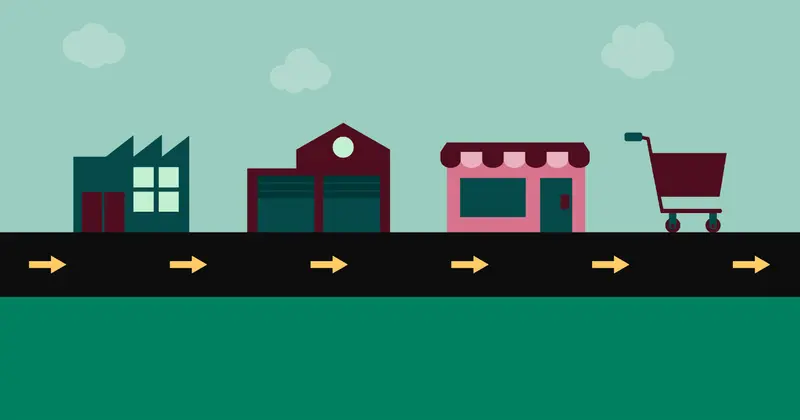
This article explains what reverse logistics is and how it should be implemented. Consider the benefits and challenges of implementing it, as well as the option of outsourcing, to review your company's return operations.
Reverse import dropshipping is the reverse of the traditional dropshipping system. By focusing on reverse import products, you can enter a niche market and avoid competition.
This article explains the meaning and benefits of RMA (Return Merchandise Authorization). Understand the return process and tips for improvement to ensure smooth handling and increased customer satisfaction.
This article explains the mechanisms and effects of retargeting ads. It also covers strategies for encouraging repeat visits and increasing conversions, as well as tips for effective use.
This article introduces sales management and marketing apps that can help increase your store's sales. Some apps are suitable for both online shops and physical retail stores, so please take advantage of them.
As the e-commerce industry grows, the trends and future of the retail sector are of great interest. We've compiled information on the latest trends in the retail industry, including AI, and answers to the question of whether physical stores will disappear in the future.
This guide provides a comprehensive explanation of agent commerce, from its fundamentals to the latest trends. In this new era where AI agents automate product search, comparison, and purchase, what preparations should Japanese e-commerce businesses make now? Along with a Shopify example, we introduce three key strategies: data structuring, contextual design, and trust building.
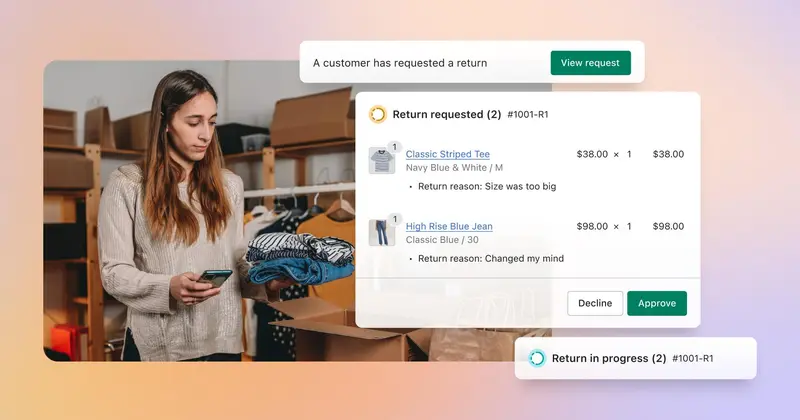
A strategic guide to transforming "returns," a common retail pitfall, into an opportunity to deepen customer relationships. This guide explains five steps to streamline the returns management process and specific methods for turning returns into profits by encouraging exchanges, incorporating Shopify features.
This article provides a clear and concise explanation of POS software, from its basic functions to its advantages and disadvantages. While POS software is often perceived as expensive to implement, it's actually possible to get it for free. We hope this Shopify article will be helpful in your POS implementation.
This guide delves into key roles in the retail industry. Gain a deeper understanding of sales staff, store managers, buyers, logistics coordinators, and more, and strategically build your team around them.
This guide explains the fundamentals of building a retail distribution strategy, including how to select appropriate sales channels, formulate strategies, and manage logistics effectively.
This guide will show you how to create a customer journey map for the retail industry. By organizing customer touchpoints and identifying areas for improvement through data utilization, you can enhance conversions and strengthen the customer experience.
This guide introduces methods for collecting and utilizing customer data in the retail industry. Review the types of data to collect and personalization strategies to improve customer understanding and drive business growth.
We've compiled 10 optimization strategies that are effective for e-commerce growth, including data integration, personalization, and checkout improvements.
Regardless of whether it's a small business or not, anyone running a business will encounter setbacks. You might be forced to close down, or sales that were once strong might plummet—a variety of problems can arise.
A reseller is a business or business model that sells products purchased from other companies to customers, rather than manufacturing the products themselves. This article summarizes the meaning of a reseller, the advantages and disadvantages of becoming one, and how to become one.
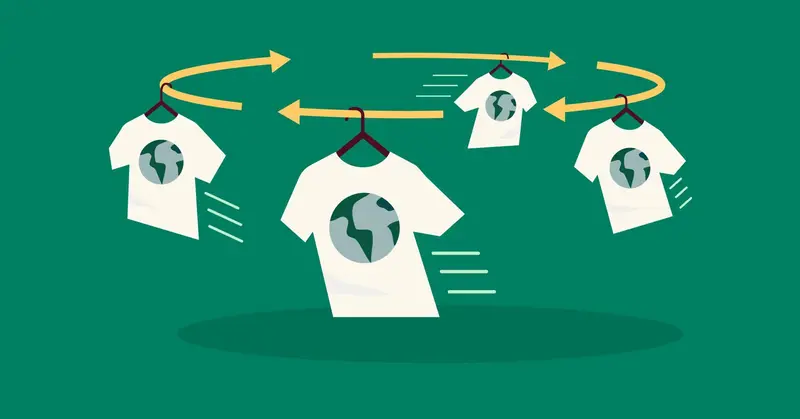
As the global environment changes, consumer purchasing behavior is also evolving. 77% of Americans are concerned about the environmental impact of the products they buy, and retailers are rethinking their business models to improve both the planet and profitability. Many retailers are focusing on the transition to a "circular economy" to address the increasing waste, particularly in the fashion industry. This is a system that emphasizes repairing, reusing, and recycling existing materials and products for as long as possible. Many companies are now leveraging this trend by launching buyback, trade-in, and upcycling programs. This strengthens their sustainability efforts while simultaneously enhancing brand value.
 跨境独立站开店