跨境独立站开店
Design and Psychology: Psychological Tricks You Can Use on E-commerce Websites
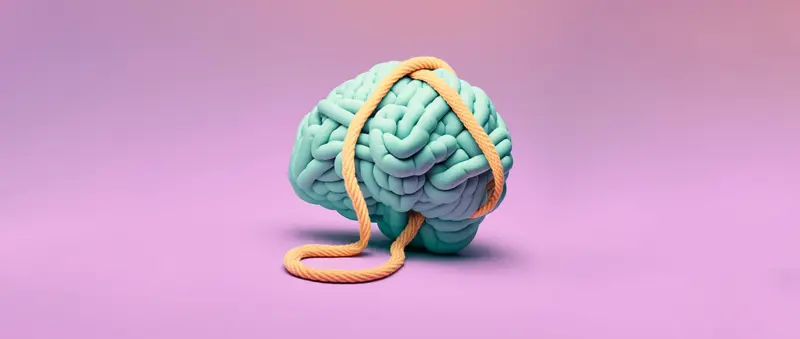
Understanding human psychology is essential for designing a successful e-commerce site. Dr. Gerald Zaltman, Professor Emeritus at Harvard Business School, states that 95% of human thought occurs unconsciously. By leveraging these unconscious thoughts, it is possible to create superior UX and UI designs, leading to improved conversion rates and purchase rates.


Psychology in Design
Psychology in design is an approach that utilizes psychological principles in design to solve problems and achieve goals.
1. Color psychology
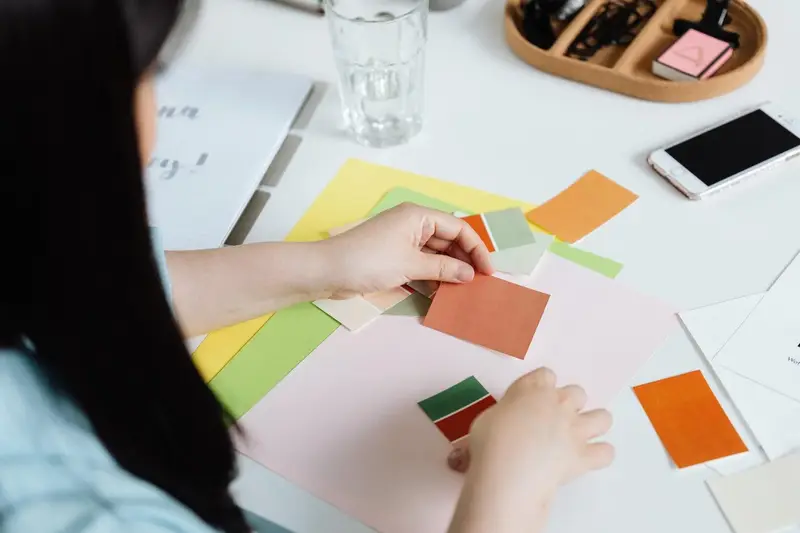
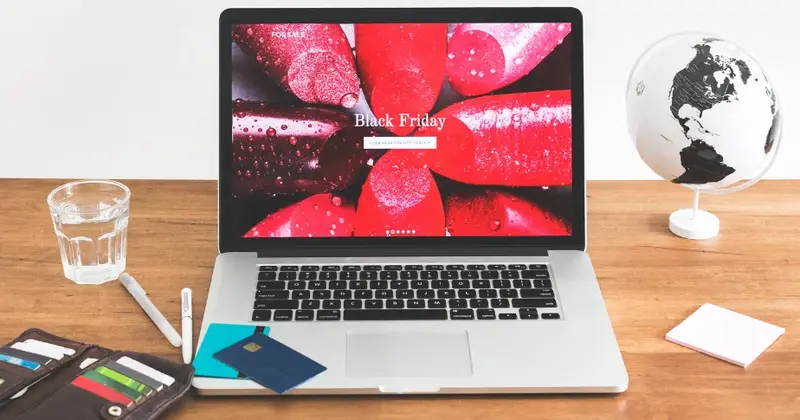
Color psychology is the study of how colors influence human emotions and behavior. Marketing techniques that utilize color psychology are called color marketing. For example, red is used for call-to-action (CTA) buttons such as "Buy Now" to encourage action, and in B2B, calm colors such as blue and gray are adopted as brand colors to convey sincerity and trustworthiness.
2. Gestalt Psychology
Gestalt psychology posits that when people perceive things, they don't see them as a collection of individual elements, but rather as a unified whole; therefore, the overall picture and structure should be emphasized. In situations like the following, people tend to perceive things as a unified whole, and these factors are called Gestalt factors.
3. Zajonc (mere-exposure) effect
The mere-exposure effect (Zajonc) is a phenomenon in which repeated exposure to a particular event, object, image, picture, or music increases liking or familiarity. Because repeated exposure can lead to a positive impression even in areas that initially held no interest, it is utilized in e-commerce marketing in the following ways: