跨境独立站开店
The benefits of introducing 3D models to e-commerce and how to perform 3D rendering.
This article clearly explains the benefits, case studies, and cost estimates of implementing 3D models on e-commerce websites. It covers everything from 3D rendering techniques to displaying AR (augmented reality) models on e-commerce sites.


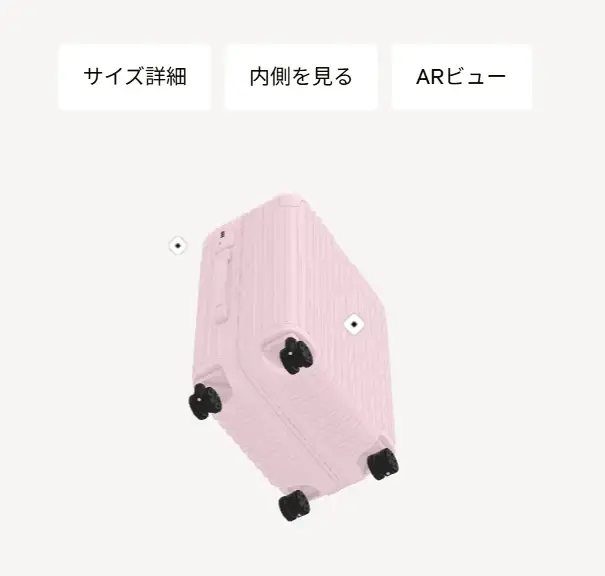
What is a 3D model?
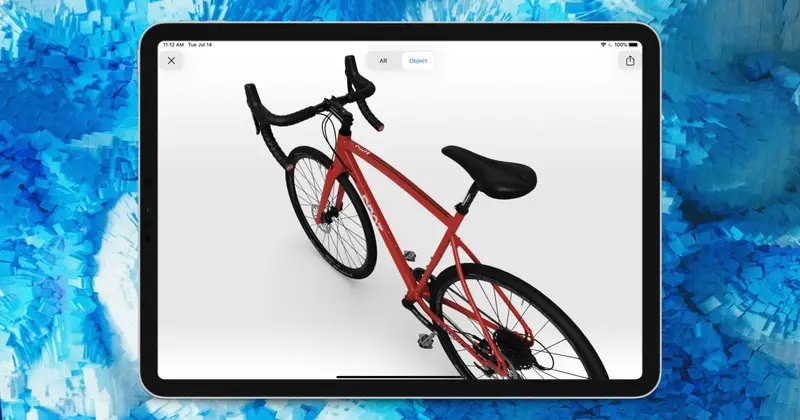
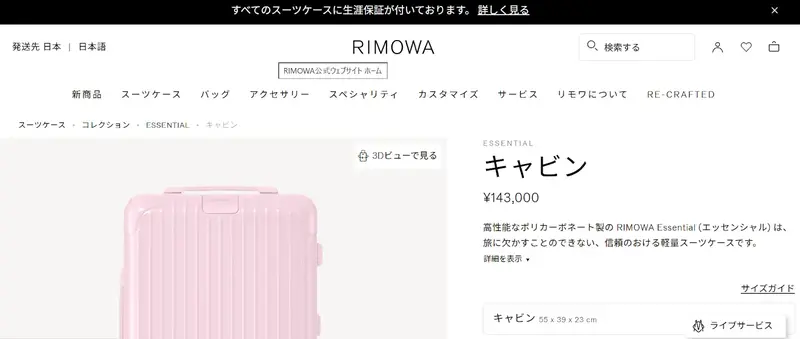
In e-commerce stores, a "3D model" is digital data that recreates a product in three dimensions, allowing website visitors to freely rotate the product and view it from any angle. Compared to traditional still images and videos, 3D models can intuitively convey the shape, texture, and size of a product, so the number of e-commerce stores adopting 3D models is increasing year by year.
Benefits of introducing 3D models
The biggest advantage of introducing 3D models to an e-commerce site is that it allows users to visualize the shape and texture of a product from multiple angles, significantly reducing pre-purchase anxiety.
3D rendering and how to implement it on an e-commerce site
There are two ways to create 3D models for use on e-commerce sites: by photographing products from multiple angles, or by creating them from scratch using specialized 3D modeling software. Textures and lighting are then applied to the created 3D model, and rendering and AR display settings are configured as needed.
1. Collect product information
For example, when creating a 3D model of sneakers, you need to check not only the exact dimensions of the product, but also the fabric, laces, cushioning material, color scheme, and logo placement. By thoroughly understanding the product specifications, you can create a 3D model that closely resembles the real thing.