 跨境独立站开店
Breaking new ground in the market with innovative ideas! An interview with the highly-anticipated Cuzen Matcha: E-commerce trends from America ~Innovative business edition~
In the United States, the COVID-19 pandemic has changed lifestyles and given rise to many new products. TIME magazine has announced "The Best Inventions of 2020," featuring innovative products from around the world. Cuzen Matcha, which is spreading matcha to the world, is one of the selected products. We were given a special interview.



The unexpected global pandemic has drastically altered user demand.
The fact that companies other than Pfizer and Moderna that provide COVID-related services are successively ranking high is something that would have been unthinkable last year.
What inspired you to start your brand?
I originally worked in Suntory's beverage division for many years, managing brands like "Oolong Tea" and "Iyemon." While stationed in San Francisco, I realized that to promote matcha consumption in the US, I, as a Japanese person, wanted to open a matcha cafe and provide a high-quality drinking experience. So, in 2018, I opened "Stonemill Matcha" as an internal venture. The cafe was successful, proving the potential of matcha in America, but due to company circumstances, I had to return to Japan. However, I still wanted to spread the potential of matcha to the whole world, so I decided to leave the company. My current business partner is a friend from university, and after talking with him about various things, we naturally ended up starting a matcha business in America again.
What was the most important aspect you focused on when developing the product?
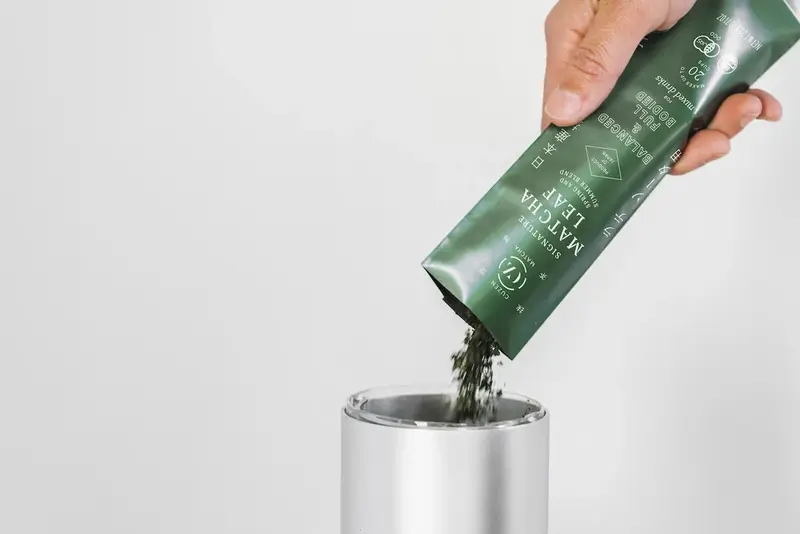
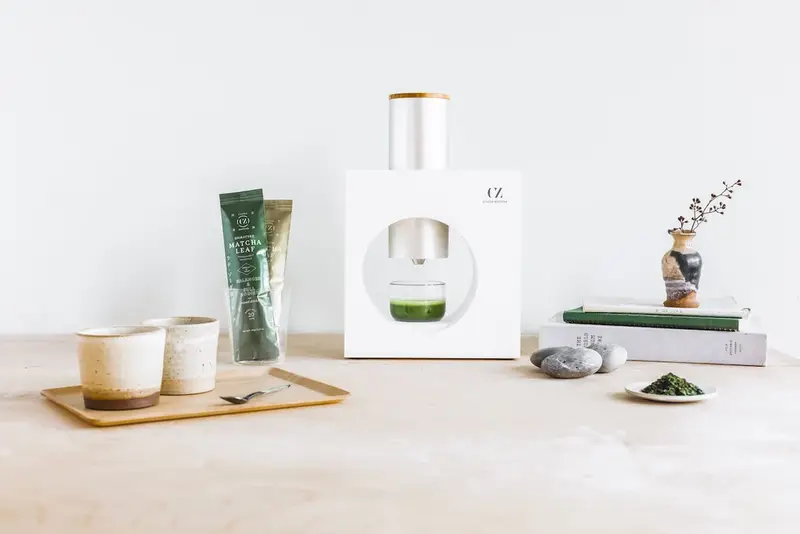
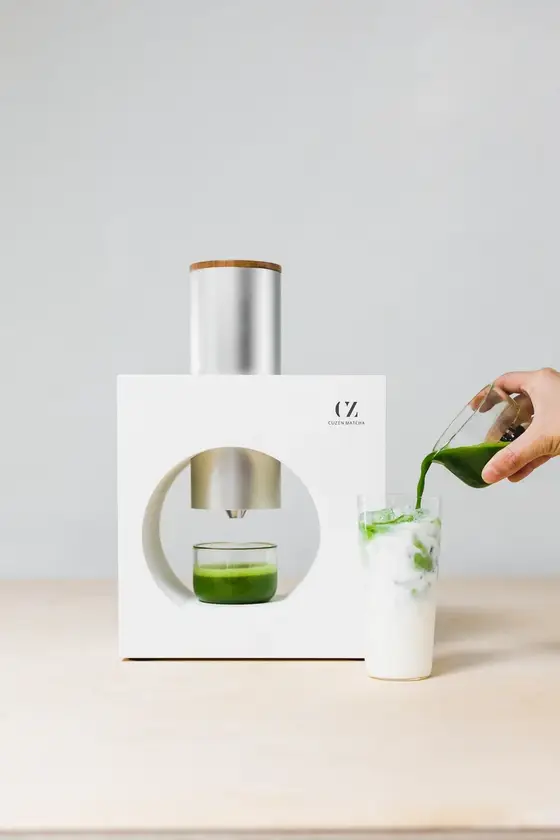
I understood the delicate nature of matcha, such as its susceptibility to oxidation and the way its aroma quickly fades. Just as Sen no Rikyu ground matcha with a stone mill right before serving, fresh matcha is best. I also understood that many people want to drink delicious matcha beverages but don't know how to prepare them using commercially available matcha (powder). Since powder doesn't dissolve in water, I thought, wouldn't it be possible to solve this problem if there was a liquid matcha product? So I decided to create a machine, defining the detailed specifications, the kind of experience I wanted to deliver to users, and conversely, what kind of work I didn't want them to do. What I wouldn't compromise on was a Zen-like design. Also, since it's something that people will use every day, I wanted it to be easy to clean. You put the leaves in a tea caddy, select the desired matcha strength, and the machine grinds the entire leaf in the mill and mixes it with water, so there are no tea leaves to dispose of. It's so easy that all you have to do is wash the dedicated cup.
You have won numerous design awards, but are you also focusing on design elements as part of your brand strategy?
I'm not a designer, and when doing business, you have to think about the concept first, but I do believe in the power of design. I've often worked with talented designers in the past, so thanks to that, I've developed a certain ability to judge good design. I asked a Japanese designer in San Francisco to design Cuzen Matcha. What I wanted to incorporate into the design was to ensure authentic Japanese quality while creating a taste that people in California would want to use on a daily basis. My own experience in tea marketing in both Japan and the US was extremely helpful in finding that delicate balance.



