跨境独立站开店
Store design | How to optimize images: tips
This article introduces methods and tips for optimizing images. Improving website page speed offers numerous benefits, not just for e-commerce sites. In addition to methods, this article also covers the advantages of image optimization and the tools available.




What is image optimization?
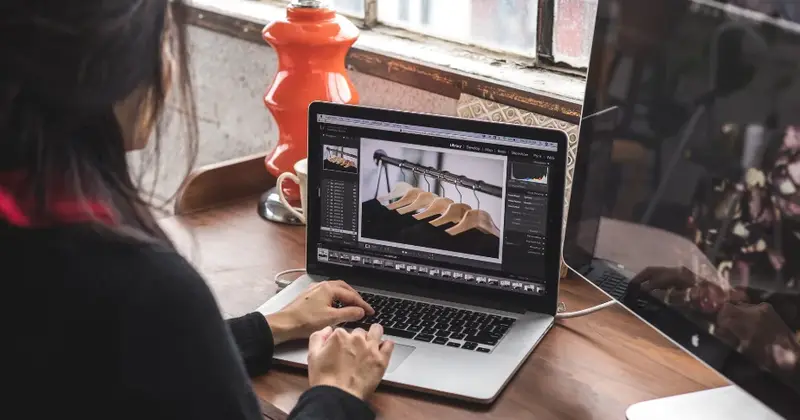
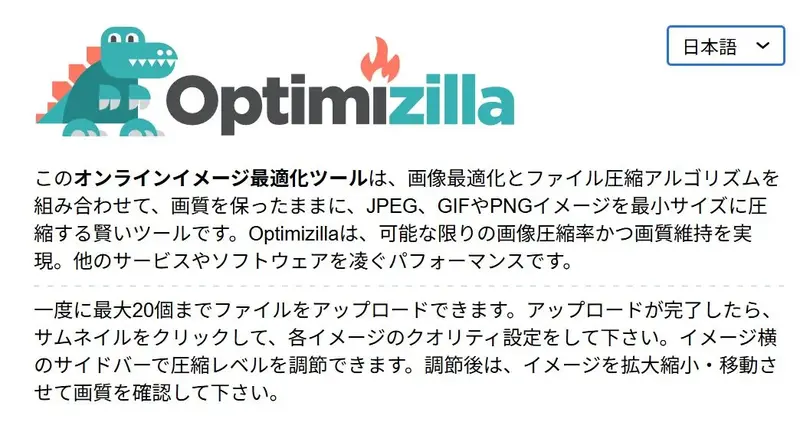
Image optimization is the process of adjusting images used on a website to make them "easier to view," "smaller in file size," and "improve SEO." The goal is to reduce the file size of the images themselves as much as possible while maintaining image quality, thereby improving site performance.
Website speed improvement
Websites that heavily utilize high-resolution images can improve their site speed by optimizing their images. Especially in e-commerce photography, where multiple images are often required—including overall product images, detailed shots, and images showing how the product looks and feels—large image file sizes tend to slow down website speeds.
SEO measures
Image optimization is an important SEO strategy. By setting descriptive filenames and alt attributes that clearly indicate the image's content, search engines can better understand the image's information, making it more likely to appear in search results. You can also expect increased website traffic from image searches.
Reducing server load
For websites that handle a large number of images, or e-commerce sites that display many product images, optimizing images can reduce server load. If you frequently use high-resolution images to convey product features and key points to users, you may need to upgrade to a larger server capacity.